
Restoring Rest: The Role of Acupuncture in Better Sleep
Sleep is one of the body’s most essential healing processes — yet millions of people struggle to get enough of it. Whether it’s difficulty falling asleep, frequent waking, or restless nights, poor sleep affects mood, energy, immunity, and overall well-being. While medication is often the first line of defense, many people are now turning to acupuncture for sleep as a safe, natural, and holistic way to restore healthy rest.
In Traditional Chinese Medicine (TCM), sleep disturbances are seen as a symptom of imbalance in the body’s energy, or Qi. When the flow of Qi is disrupted — particularly in the Heart, Liver, or Spleen meridians — the mind can become restless, preventing the body from fully relaxing. Acupuncture works to restore balance and harmony, helping the body return to its natural rhythm of rest and renewal.
How Acupuncture Helps Improve Sleep
Acupuncture involves the gentle insertion of fine, sterile needles into specific points on the body to regulate the nervous system and promote relaxation. From a biomedical perspective, acupuncture triggers the release of endorphins, serotonin, and melatonin, helping regulate the sleep-wake cycle and reduce stress hormones that interfere with sleep.
During an acupuncture session, the body shifts from a sympathetic (fight-or-flight) state to a parasympathetic (rest-and-digest) state. This natural transition slows the heart rate, relaxes muscles, and quiets the mind — the perfect conditions for deep, restorative sleep.
Regular treatments can help:
- Reduce nighttime anxiety and overthinking
- Shorten the time it takes to fall asleep
- Lessen nighttime awakenings
- Improve overall sleep duration and quality
- Promote morning alertness and energy
The Connection Between Stress, the Nervous System, and Sleep
One of the most common causes of insomnia and poor sleep is chronic stress. Elevated cortisol levels keep the mind alert even when the body craves rest. Over time, this can lead to fatigue, irritability, and difficulty concentrating.
Acupuncture helps calm the autonomic nervous system and lower cortisol, allowing the body to reset its internal clock. It also stimulates the vagus nerve, which plays a crucial role in relaxation, digestion, and heart rate regulation. Patients often report not only sleeping better but also feeling calmer and more centered during the day.
Acupuncture and Common Sleep Disorders
Insomnia: Acupuncture is one of the most effective natural sleep remedies for both acute and chronic insomnia. It helps regulate the circadian rhythm, quiets the mind, and supports deep, restorative sleep.
Sleep Apnea: While not a replacement for medical treatment, acupuncture can help improve breathing patterns, reduce inflammation, and relax airway muscles.
Restless Leg Syndrome: By improving circulation and balancing the nervous system, acupuncture may reduce nighttime leg discomfort and restlessness.
Stress-Related Sleep Disturbances: When stress or anxiety keeps you awake, acupuncture can help you unwind by regulating neurotransmitters and promoting emotional stability.
What to Expect During a Sleep-Focused Acupuncture Session
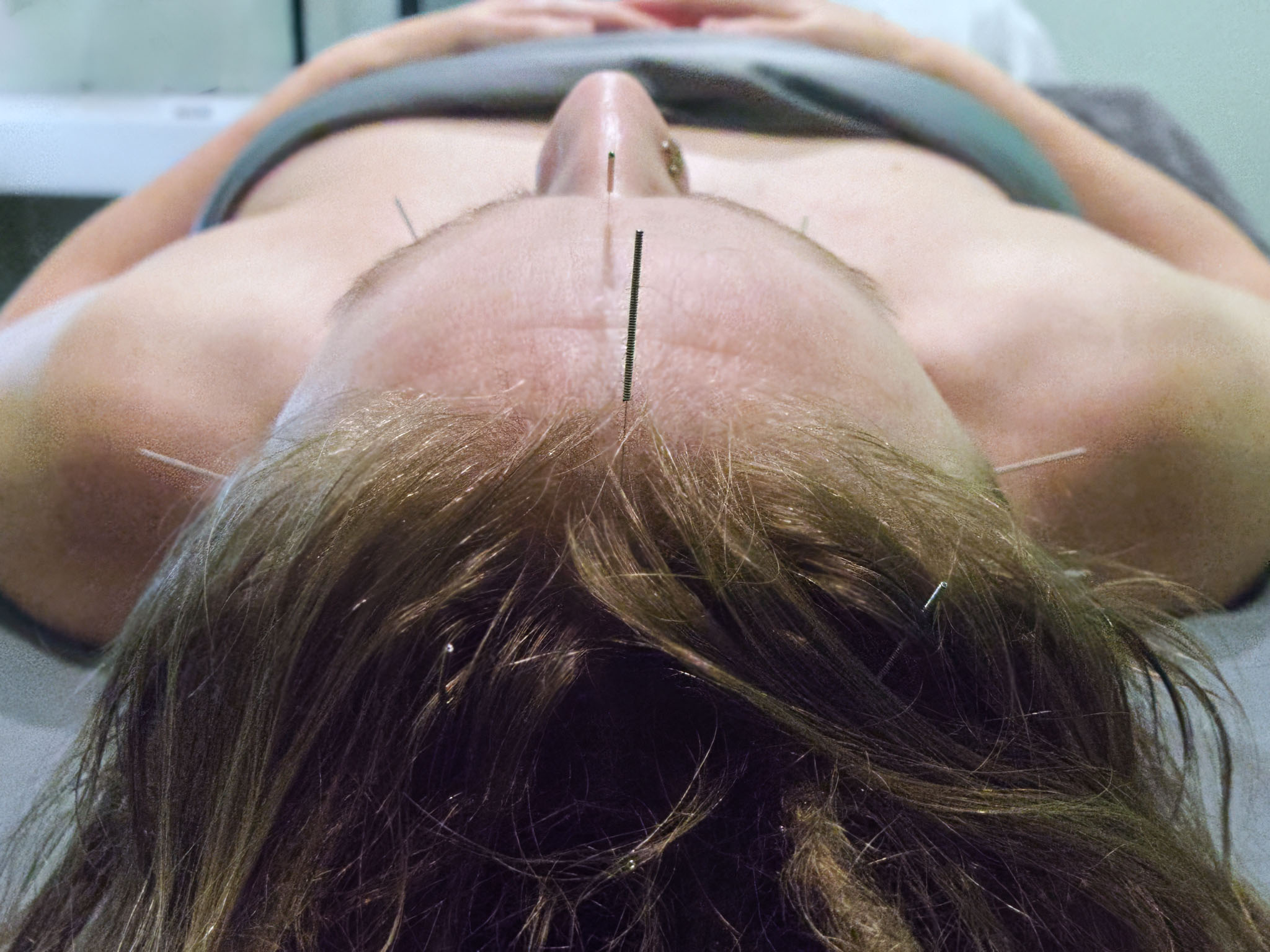
A session begins with a personalized consultation to identify your specific sleep challenges and any underlying imbalances. Your acupuncturist will then select points that calm the mind, regulate the nervous system, and support deeper rest — often located on the wrists, ankles, scalp, and ears.
The needles are extremely thin, and most people feel only a slight tingling or warmth. You’ll then rest for 20–30 minutes in a quiet, peaceful environment. Many patients drift into a light sleep or deep relaxation during treatment — a sign that the body is entering a healing state.
Supporting Better Sleep Naturally
Acupuncture works best as part of a holistic sleep improvement plan. In addition to regular treatments, you can support your body’s natural rhythm by:
- Creating a relaxing bedtime routine
- Avoiding screens and caffeine before bed
- Practicing gentle stretching, yoga, or meditation
- Eating light, nourishing meals in the evening
- Keeping a consistent sleep and wake schedule
By addressing both the physical and emotional causes of sleeplessness, acupuncture offers more than temporary relief — it helps retrain your body and mind to rest naturally.
Wake Refreshed, Live Balanced
Quality sleep is the foundation of good health, and acupuncture for sleep offers a gentle, effective, and drug-free way to restore it. Whether you’re struggling with insomnia, restless nights, or stress-induced sleep issues, acupuncture can help you fall asleep faster, stay asleep longer, and wake feeling truly refreshed.
If you’re ready to experience more restful nights and brighter days, consider scheduling an acupuncture session — your body and mind will thank you.