A New Era of Healing: East Meets West
Healthcare is evolving. More patients and practitioners are embracing collaborative medicine, where ancient healing systems like acupuncture work hand-in-hand with Western medical treatments to create comprehensive, patient-centered care.
Rather than viewing Eastern and Western approaches as opposites, integrative healthcare recognizes that each brings unique strengths. Together, they form a complete picture of healing — addressing not only symptoms, but also the underlying imbalances that contribute to disease and discomfort.
Understanding Integrative or Collaborative Healthcare
Collaborative healthcare (also called integrative medicine) combines conventional medical practices — such as pharmaceuticals, surgery, and diagnostics — with evidence-based complementary therapies like acupuncture, nutrition, massage, and mindfulness.
This partnership between Eastern and Western medicine is grounded in the idea that no single system holds all the answers. Instead, healing is optimized when multiple disciplines collaborate to address the whole person — body, mind, and spirit.
Why Acupuncture Fits Perfectly Into Collaborative Care
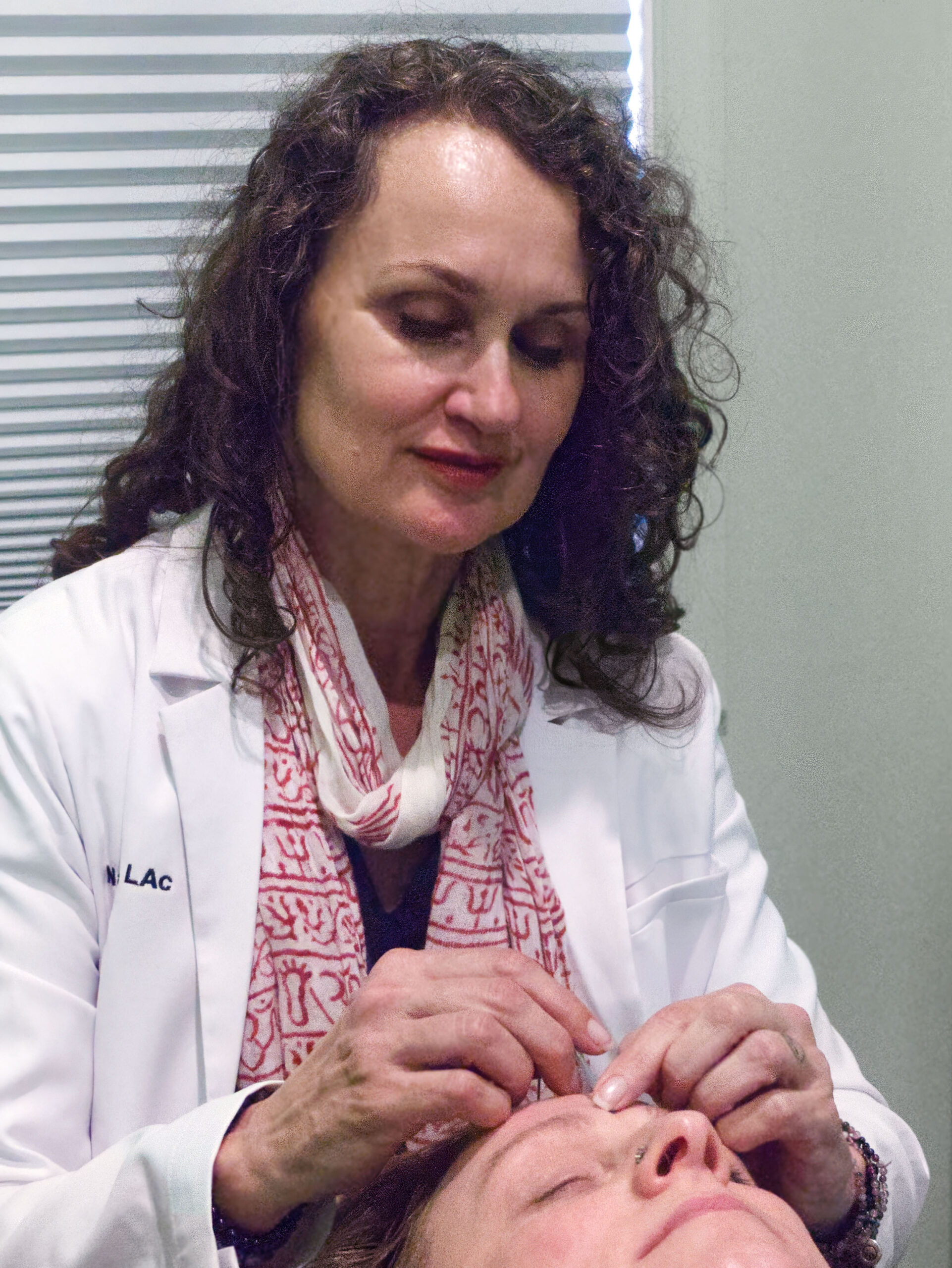
Acupuncture, a cornerstone of Traditional Chinese Medicine (TCM), has been practiced for over 2,500 years. Today, it’s increasingly integrated into hospitals, rehabilitation centers, and pain clinics around the world.
Scientific research supports acupuncture’s ability to stimulate the body’s natural healing mechanisms by:
- Regulating the nervous system and reducing stress hormones
- Releasing endorphins and natural pain-relieving chemicals
- Improving blood flow and tissue repair
- Balancing the immune and hormonal systems
Because acupuncture works through the body’s own physiological pathways, it pairs safely and effectively with conventional treatments — enhancing outcomes and reducing side effects.
Examples of Integration: Acupuncture in Modern Medicine
Collaborative use of acupuncture is growing rapidly in various areas of healthcare, including:
1. Pain Management and Rehabilitation
Many hospitals and pain clinics now offer acupuncture alongside medication, physical therapy, or chiropractic care. Studies show acupuncture can reduce the need for opioids and improve recovery after surgery or injury.
2. Cancer Support and Oncology Care
Acupuncture is used as a complementary therapy for patients undergoing chemotherapy or radiation. It helps alleviate side effects such as nausea, fatigue, and neuropathy, improving overall quality of life.
3. Women’s Health and Fertility
Reproductive specialists often recommend acupuncture to support hormonal balance, regulate menstrual cycles, and enhance fertility outcomes — both naturally and during assisted reproductive treatments like IVF.
4. Mental Health and Stress Relief
When combined with psychotherapy or medication, acupuncture helps regulate mood, ease anxiety, and support sleep. Its calming effect on the nervous system makes it a valuable ally in treating depression and PTSD.
5. Chronic Conditions
For autoimmune disorders, migraines, digestive issues, or chronic fatigue, acupuncture supports Western interventions by addressing root causes and helping restore systemic balance.
The Benefits of Collaborative Care
Integrating acupuncture with Western medicine creates a synergy that improves both short- and long-term health outcomes. Patients often report:
- Faster recovery and reduced pain
- Fewer medication side effects
- Better emotional resilience
- Improved energy and sleep
- Greater sense of well-being and control over health
Collaborative care also fosters a deeper connection between practitioner and patient. Instead of treating only the diagnosis, both systems together address the person as a whole — their physical, emotional, and energetic state.
Communication Is Key
Successful integration relies on open communication between healthcare providers. Acupuncturists often collaborate with physicians, physical therapists, and mental health professionals to coordinate treatment plans and ensure safe, complementary care.
For example, if a patient is on blood thinners, certain acupuncture techniques might be adjusted. If someone is undergoing fertility treatment, acupuncture timing may be aligned with their medical cycle. This cooperative model puts patient safety and success at the center of care.
A Unified Path to Wellness
The integration of acupuncture and Western medicine represents the best of both worlds — science and tradition, innovation and intuition, body and mind.
By embracing both systems, patients gain access to a more complete model of health — one that doesn’t just chase symptoms, but nurtures balance, vitality, and resilience.
Whether you’re managing pain, recovering from illness, or simply striving for optimal well-being, a collaborative healthcare approach can help you achieve your goals naturally and effectively.