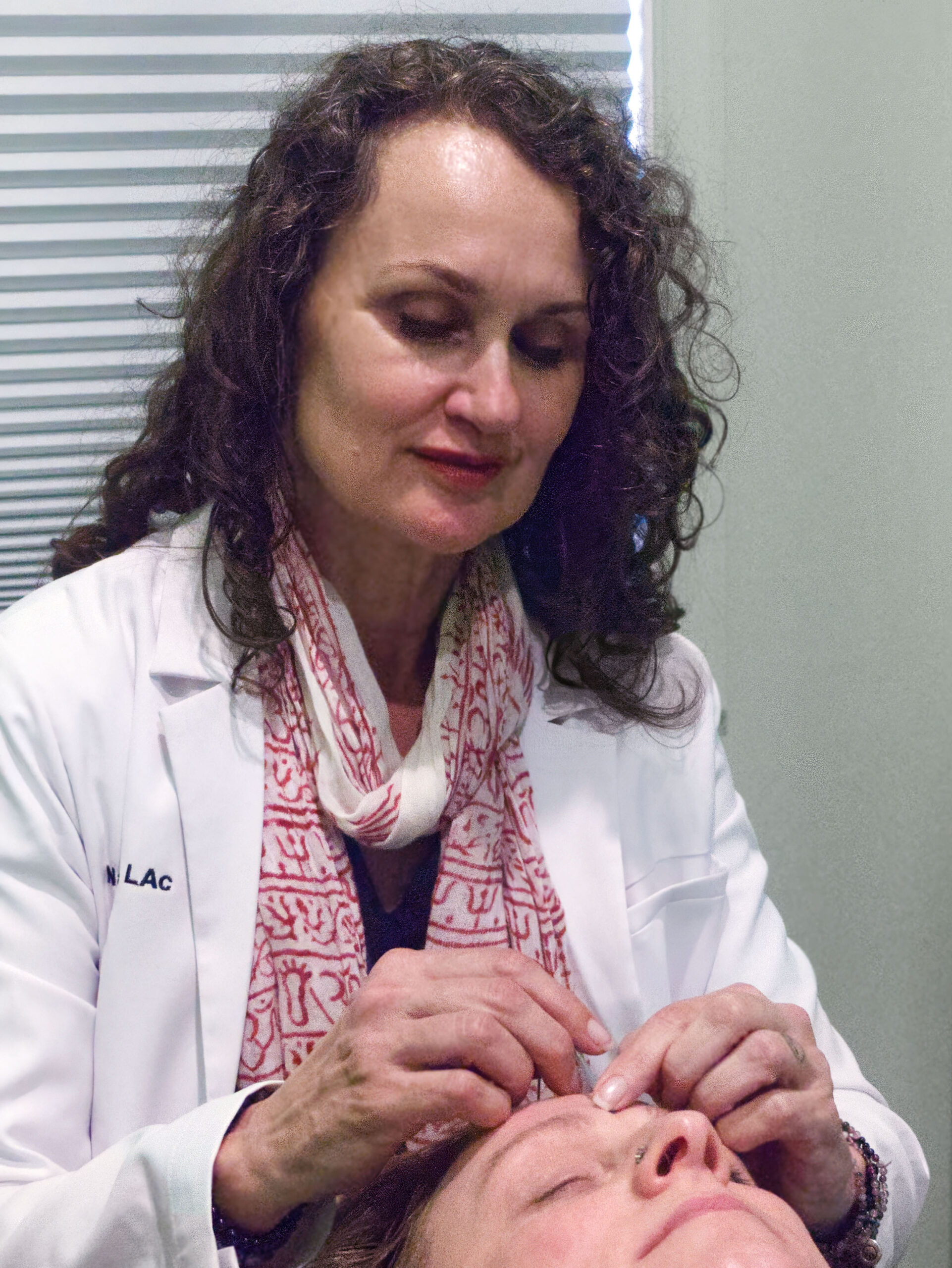

Healing Beyond the Needles
When people think of acupuncture, they often picture fine needles restoring balance and relieving pain or stress. While the acupuncture session itself is powerful, true healing often extends far beyond what happens in the treatment room.
Lifestyle choices — how we eat, sleep, move, and manage stress — play a vital role in the success of any acupuncture treatment plan. In Traditional Chinese Medicine (TCM), your daily habits either nourish your Qi (vital energy) or deplete it. Acupuncture can open the pathways of healing, but lasting results come when you support that flow through balanced living.
A Holistic Approach to Healing
In TCM, the body, mind, and spirit are deeply interconnected. Each acupuncture treatment is designed to rebalance the system and promote harmony, but if daily routines continue to create imbalance — such as chronic stress, poor sleep, or an unhealthy diet — the progress may be temporary.
That’s why acupuncturists often integrate lifestyle guidance as part of a personalized treatment plan. These recommendations are tailored to your unique constitution, health goals, and lifestyle patterns.
The Five Pillars of Healthy Living in Acupuncture Care
1. Nutrition: Food as Medicine
In Chinese medicine, food is one of the most powerful forms of healing. Acupuncturists often recommend eating in tune with the seasons, choosing warm, cooked foods in winter and lighter meals in summer.
Avoiding excessive sugar, caffeine, and processed foods helps keep the Spleen Qi strong — supporting digestion, energy, and emotional balance.
Tip: Try adding nourishing soups, whole grains, and fresh vegetables to your diet, and drink warm water or tea rather than iced beverages to support digestion.
2. Sleep: Restoring Yin Energy
Quality sleep is essential for the body’s repair and regeneration. In TCM, sleep replenishes Yin — the calming, restorative aspect of energy. When Yin is depleted, symptoms such as anxiety, irritability, and fatigue may arise.
Acupuncture for sleep disorders helps calm the mind and balance hormones, but maintaining a regular bedtime routine, limiting screen time, and practicing relaxation before bed amplifies these effects.
3. Movement: Keeping Qi Flowing
Gentle, mindful movement such as yoga, tai chi, or qigong complements acupuncture by keeping energy circulating. Physical stagnation often mirrors emotional stagnation — movement helps release both.
Regular exercise doesn’t have to be intense; what matters is consistency and awareness. Even a daily walk in nature can enhance the results of acupuncture and improve mood and vitality.
4. Emotional Balance: Managing Stress Mindfully
Stress is one of the most common reasons people seek acupuncture. By calming the nervous system and releasing tension, acupuncture helps you feel centered. But managing daily stress outside the clinic is equally important.
Mindfulness practices, meditation, journaling, or simply taking time for deep breathing each day can prevent the build-up of emotional stagnation that leads to physical symptoms.
5. Environmental and Seasonal Awareness
Chinese medicine emphasizes living in harmony with nature. Adjusting your habits with the seasons — eating warming foods in winter, rising earlier in summer, and slowing down in autumn — keeps your body aligned with the natural cycles of the earth.
Acupuncturists may offer seasonal wellness advice to help prevent imbalances before they occur, keeping you healthier year-round.
Integrating Lifestyle Changes with Acupuncture Treatments
When lifestyle changes are incorporated into acupuncture treatment plans, healing becomes more sustainable and empowering. You’re no longer just receiving care — you’re actively participating in your own wellness journey.
Acupuncture opens the door to balance, while healthy habits keep it open. Together, they create a synergistic effect that supports:
- Long-term pain relief
- Better sleep and mood regulation
- Improved digestion and energy
- Stronger immunity
- Greater emotional resilience
Empowering You to Take Part in Your Healing
Every acupuncture session is an opportunity to listen to your body and make adjustments that foster harmony. Your acupuncturist may offer small, manageable lifestyle recommendations tailored to your needs — because even subtle changes can make a significant difference over time.
When you combine acupuncture with conscious daily habits, you’re not just treating symptoms; you’re cultivating long-term wellness from the inside out.
In Summary
Acupuncture is a powerful tool for healing, but its effects are amplified when paired with mindful living. Nutrition, rest, movement, emotional care, and environmental awareness all support the body’s natural rhythm — allowing acupuncture to work more deeply and effectively.
By embracing lifestyle changes as part of your acupuncture treatment plan, you become an active participant in your healing process — one step closer to balance, vitality, and lasting well-being.