Ancient Therapy with Modern Relevance
Cupping therapy has been practiced for thousands of years across many cultures, from ancient China and Egypt to the Middle East and Greece. While it’s often seen alongside acupuncture, cupping stands as a powerful therapy in its own right — one that continues to gain popularity among athletes, wellness seekers, and those looking for natural pain relief and better circulation.
But what does modern science say about cupping? How does this ancient therapy actually work? Let’s explore the mechanisms behind cupping and why it remains such an effective tool for healing.
What Is Cupping Therapy?
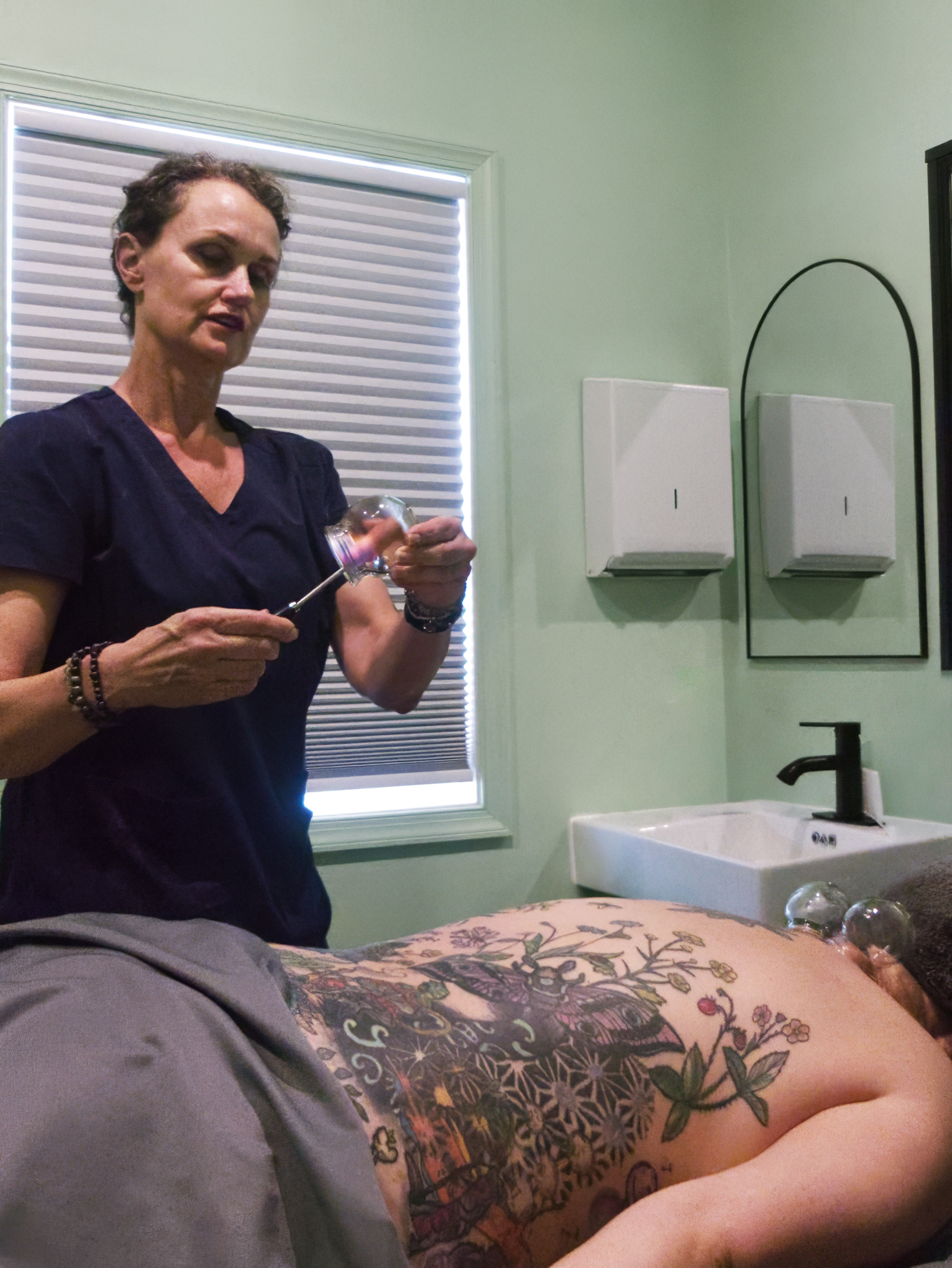
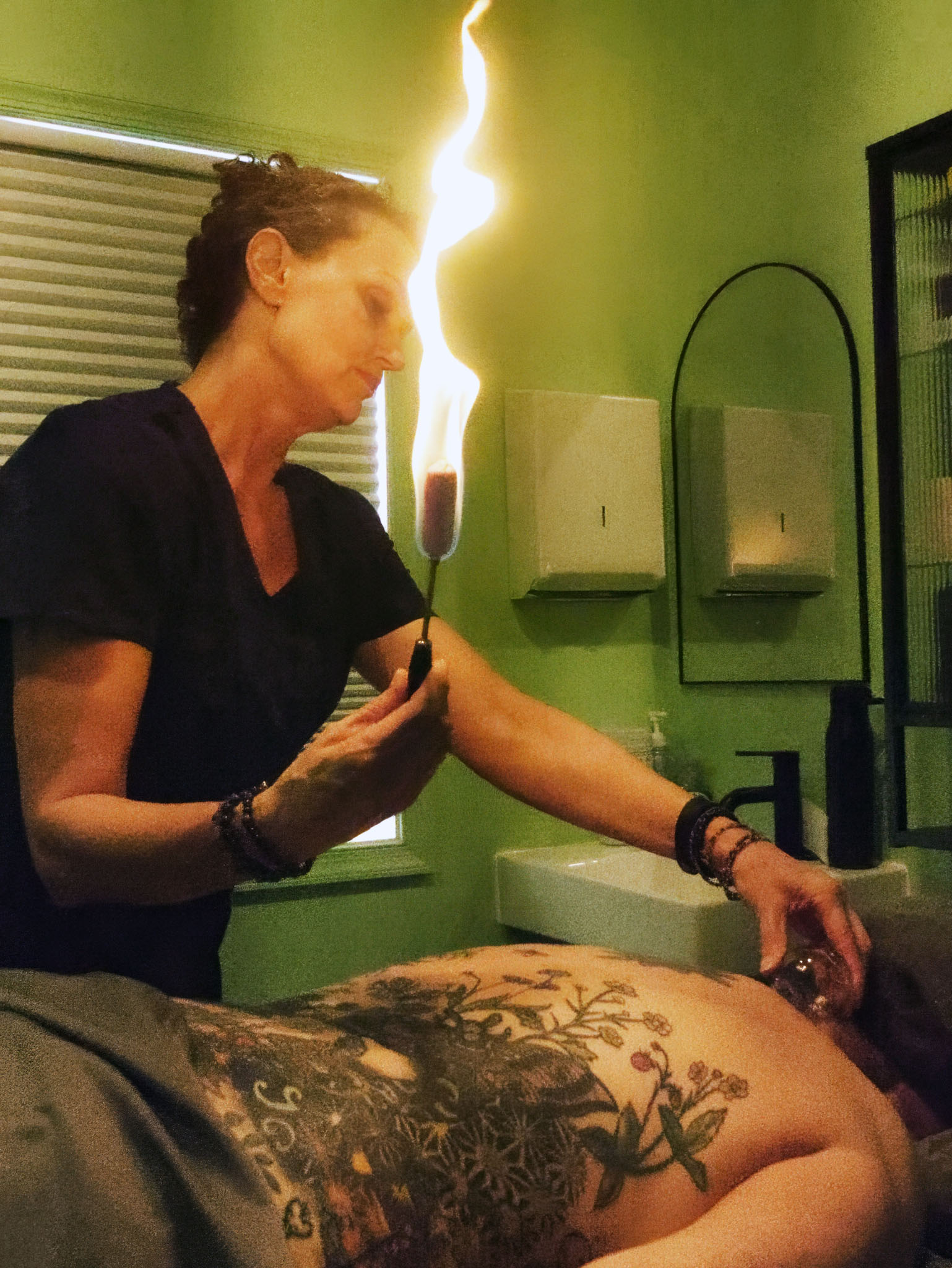
Cupping involves placing special cups — traditionally made of glass, bamboo, or silicone — on the skin to create suction. This suction gently lifts the skin and underlying tissue, promoting blood flow and releasing tightness in muscles and fascia.
There are two main types of cupping:
- Dry cupping: The cup is placed on the skin to create suction, without drawing blood.
- Wet cupping: A small puncture is made before the cup is applied to remove a small amount of stagnant blood (this is less common in the U.S. and usually done in specific medical contexts).
In acupuncture clinics, dry cupping is most often used to relieve muscle tension, improve circulation, and support the body’s natural detoxification processes.
The Science Behind How Cupping Works
Modern research has begun to uncover what ancient practitioners observed centuries ago — that cupping helps activate the body’s self-healing mechanisms through measurable physiological effects.
Here’s what science tells us:
1. Increases Local Blood Circulation
The suction from the cup expands tiny blood vessels under the skin, improving microcirculation in the treated area. This increased blood flow brings oxygen and nutrients to the tissues, accelerating healing and reducing muscle soreness.
2. Reduces Muscle Tension and Fascial Restrictions
Cupping creates a gentle pulling force that lifts the connective tissue, helping release adhesions and improve range of motion. Studies suggest this decompression effect relaxes the fascia, reducing stiffness and promoting flexibility.
3. Activates the Immune and Lymphatic Systems
The mild inflammation caused by cupping stimulates the body’s immune response. It also helps move lymph — the fluid that carries waste and immune cells — encouraging detoxification and reducing swelling.
4. Decreases Pain by Modulating the Nervous System
Research shows that cupping can trigger a “counter-irritation” effect, where mild suction and pressure signal the brain to release endorphins — the body’s natural painkillers. This helps interrupt pain pathways and provides lasting relief.
5. Lowers Inflammation and Oxidative Stress
Recent studies suggest cupping reduces inflammatory markers and oxidative stress in the body. By improving circulation and lymphatic drainage, it helps remove cellular waste products that contribute to chronic inflammation.
The Evidence: What Research Shows
While more large-scale studies are still needed, the growing body of evidence supports cupping’s therapeutic potential.
Clinical studies have shown cupping to be effective for:
- Chronic pain and muscle stiffness (neck, back, and shoulder pain)
- Sports recovery and improved muscle performance
- Migraines and tension headaches
- Respiratory conditions like asthma and bronchitis
- Stress reduction and improved relaxation
In a 2015 systematic review published in PLOS ONE, researchers found that cupping therapy produced significant benefits for pain conditions, herpes zoster, and respiratory diseases compared to standard care. Other studies using imaging technology, such as Doppler ultrasound, have confirmed increases in local blood flow following cupping treatment.
Cupping and Acupuncture: A Perfect Pair
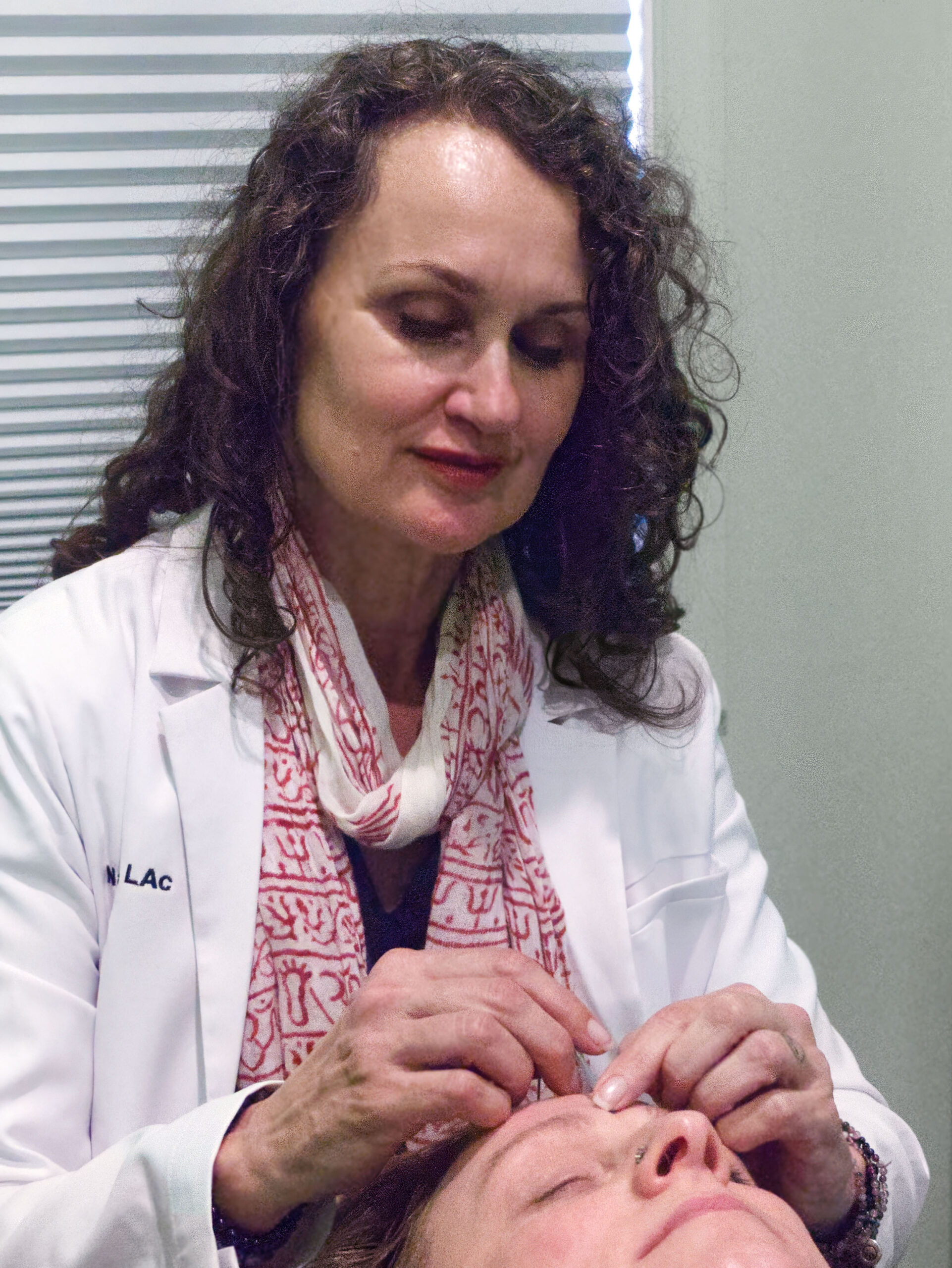
Cupping is often combined with acupuncture to enhance treatment results. While acupuncture regulates the flow of Qi and balances the body’s internal systems, cupping focuses on improving circulation and releasing stagnation in the muscles and fascia.
Together, these therapies create a comprehensive approach to pain relief, relaxation, and overall wellness — addressing both the energetic and physical layers of healing.
What to Expect During a Cupping Session
During treatment, cups are placed on specific areas of the body, often the back, shoulders, or legs. The sensation is typically described as a firm but soothing pull. The cups may remain stationary for several minutes or be gently glided across the skin using oil — a technique known as moving cupping.
After treatment, you may notice circular marks on the skin ranging from pink to deep red or purple. These are not bruises but signs of increased circulation and the release of stagnant blood and toxins. They typically fade within a few days.
The Takeaway: Merging Ancient Wisdom and Modern Science
Cupping bridges the gap between ancient healing traditions and modern biomedical understanding. Whether you seek relief from chronic pain, recovery from exercise, or support for your immune and nervous systems, cupping therapy offers a safe, natural, and effective way to promote wellness.
The science may still be catching up with tradition, but the results speak for themselves — a relaxed body, a calm mind, and a renewed sense of balance